American Robin
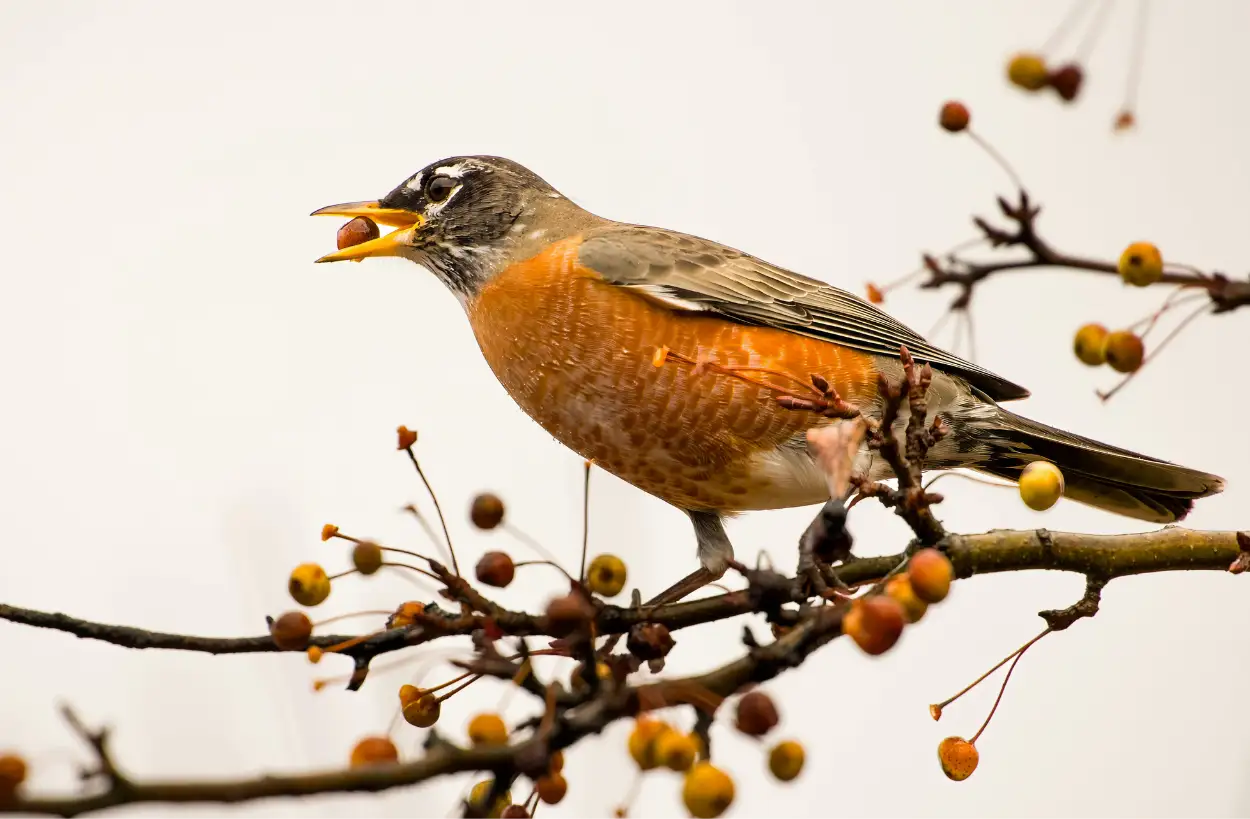
If you have a yard or a local park, you have probably seen this bird. They are the ones spending hours on the lawn, running a few steps, stopping suddenly, and tilting their heads to the side.
Because they are everywhere, it is easy to ignore them. But once you notice their daily habits, you realize they have a lot of personality. They are busy, sharp, and very protective of their space.
Species Profile
Scientific Classification
A suborder of perching birds equipped with a highly developed vocal organ (syrinx), enabling intricate, complex, and diverse melodies.
The biological class encompassing all birds: feathered, winged, bipedal, warm-blooded, and egg-laying vertebrates.
The largest order of birds, known commonly as perching birds, distinguished by an anisodactyl foot arrangement (three toes forward, one back) perfect for gripping branches.
The true thrushes. Medium-sized, plump birds with slender bills, known for their exceptional singing abilities and adaptability to environments worldwide.
A globally distributed genus of large, prominent thrushes recognized for their robust chests, upright terrestrial posture, and migratory habits.
The explicit species designation for the American Robin, named for its vast seasonal migratory movements across the North American continent.
An animal that consumes a diverse diet of both plant and animal matter. For birds, this typically involves a seasonal shift between insects, worms, fruits, and seeds.
Ecosystems characterized by a mix of trees, shrubs, and open clearings, offering birds abundant terrestrial foraging grounds, nesting materials, and protective cover.
A social and survival behavior where birds gather—often in massive communal flocks—to rest or sleep together for shared warmth and predator evasion.
An IUCN conservation category assigned to species that are widespread and abundant, facing no immediate threat of severe decline or global extinction.
The Eye for the Worm
When a robin tilts its head toward the grass, many people assume it is listening for worms moving underground.
In reality, it is mostly looking for them.
Robins have eyes positioned on the sides of their heads, giving them a wide view of the world around them. When they make that familiar head tilt, they are lining up one eye to get a better look at the ground directly below. This helps them spot the small movements of worms and insects hiding just beneath the surface.
Their sharp eyesight allows them to detect even the slightest motion in the grass or soil, making them highly effective hunters as they search for their next meal.
A Case of Mistaken Identity
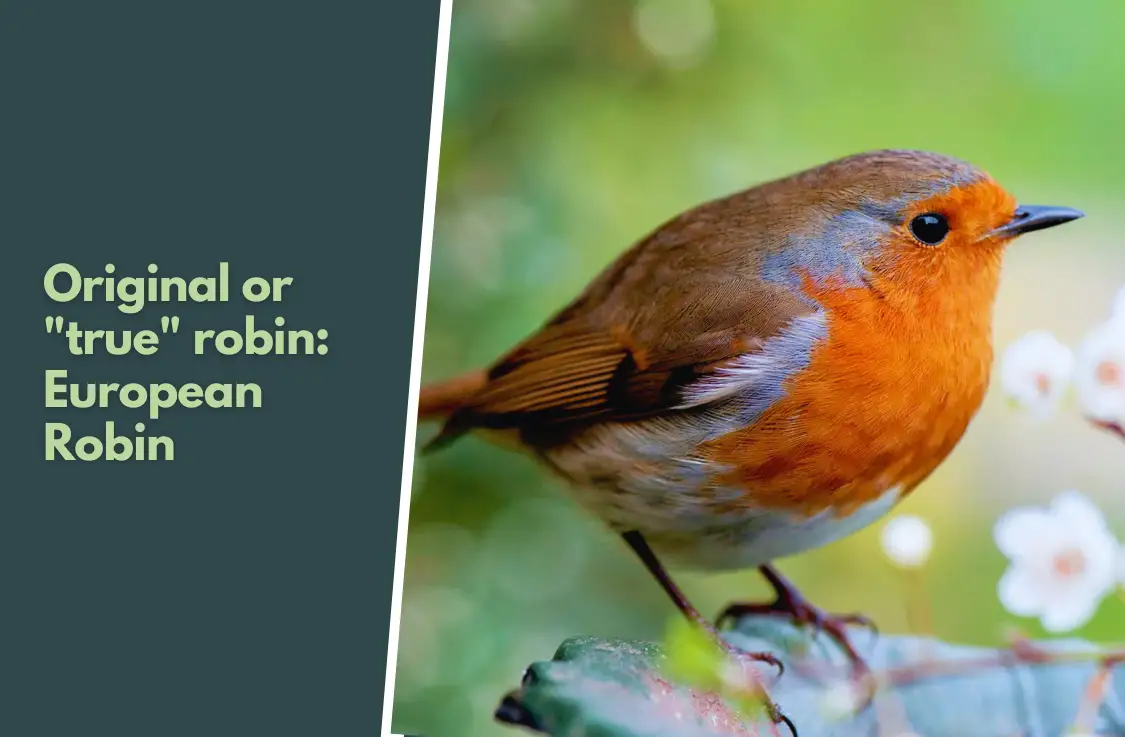
The American Robin isn’t actually a true robin.
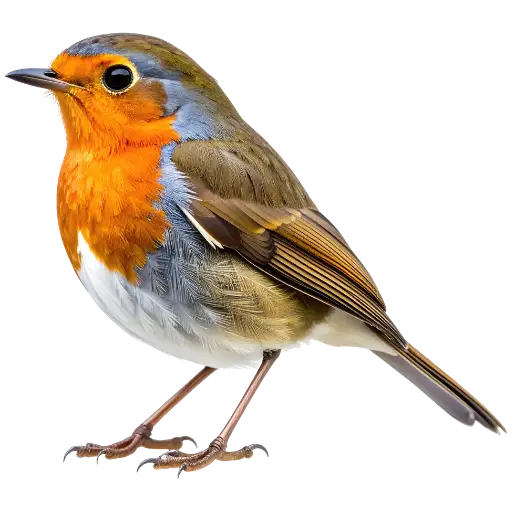
When European settlers first came to North America, they saw this bird with its orange-red chest and got homesick. They named it after the European Robin, which is a completely different, much smaller bird.
The American Robin is actually a thrush. This means it is a close cousin to bluebirds. This family connection is why they have such strong legs and beautiful singing voices.
Quick Facts & Habits
Grey-brown above, warm orange-red below, with a dark head and broken white rings around the eyes. Females are paler than males.
Earthworms, beetles and caterpillars through spring and summer, then a switch to berries and fruit for the winter.
Bold and restless on open ground, running a few steps then pausing. Males defend a territory hard and will see off rivals.
A rolling, whistled cheerily, cheer-up, cheerio, and one of the first voices in the dawn chorus, often before it is properly light.
A mud-lined cup built by the female, holding three to five plain blue eggs. Up to three broods can follow in a single season.
Robins occasionally get drunk. Berries left on the bush over winter can ferment, and a bird that eats enough of them will stagger.
The Early Morning Singer
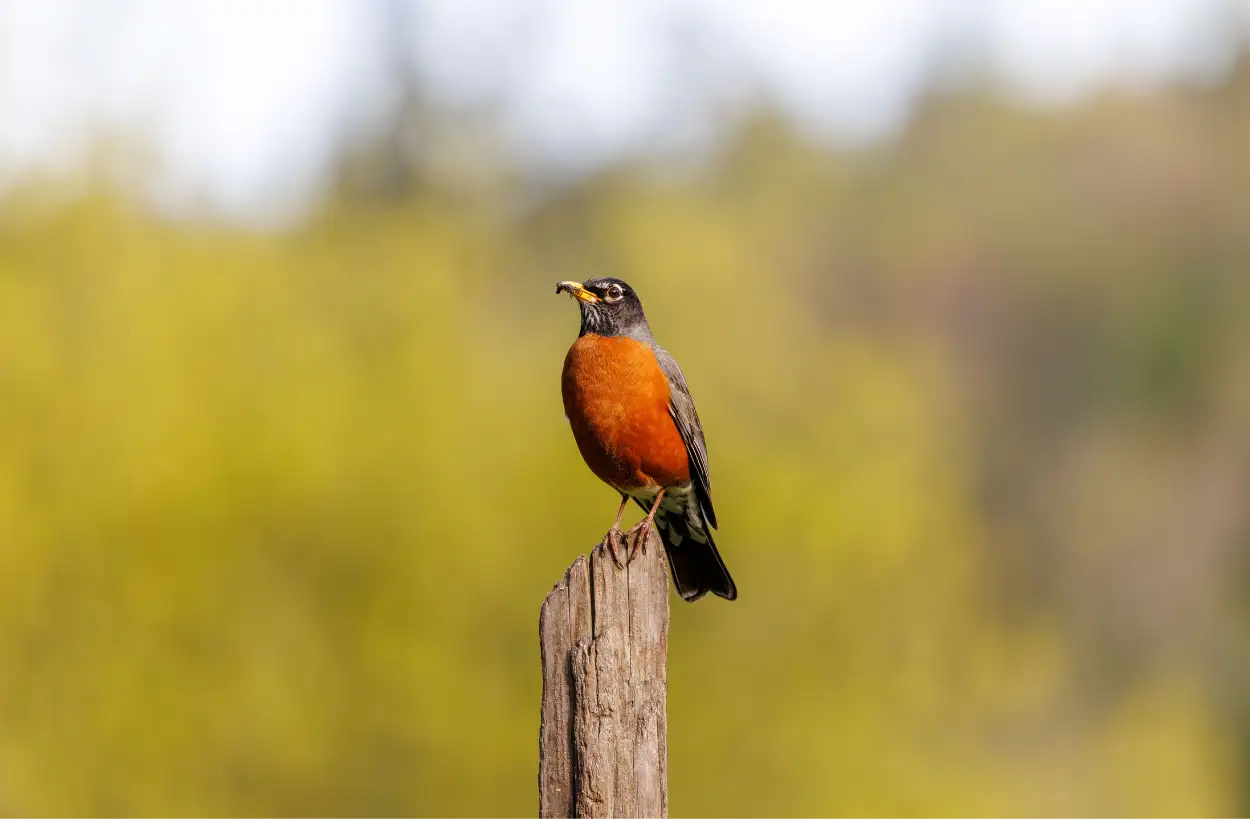
If you ever hear a bird singing loudly at 4:30 AM, it is almost certainly a robin.
They wake up earlier than most other backyard birds because their large eyes help them see better in the dim light before sunrise. This gives them a head start on finding food and defending their territory before many other birds become active.
Their song sounds bright and cheerful to us, but to other robins, it carries an important message. It tells nearby robins that the area is already occupied and warns rivals to stay away. During the breeding season, males can spend long periods singing from treetops, fences, and rooftops to make their presence known.
Robins are surprisingly territorial and will often chase away intruders that enter their nesting area. Their early morning chorus helps them establish boundaries and avoid conflicts, making it one of the most important parts of their daily routine.
Mating Habits
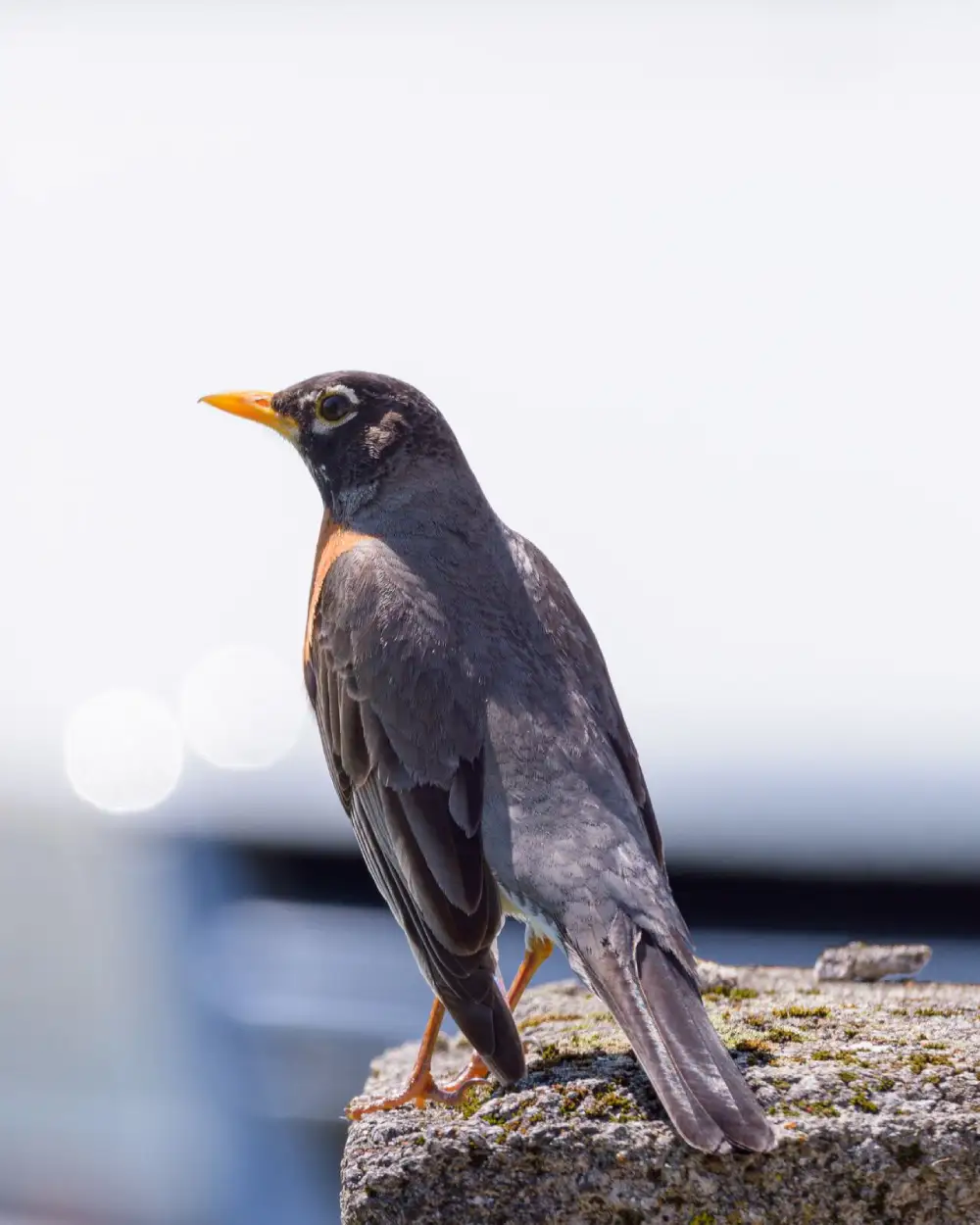
American robins form breeding pairs each spring, and the male begins the courtship process by singing, displaying his bright breast, and bringing food to the female. These behaviors help strengthen the pair bond and show that he is capable of helping raise young.
Once a mate is chosen, the female selects a nesting site and builds the nest, often in a tree, shrub, or even on a building ledge. She constructs it from grass, twigs, and mud, creating a sturdy cup that can safely hold the eggs.
Although many pairs stay together for a single breeding season, American robins are not always lifelong mates. A pair may raise two or even three broods in one year, with both parents helping to feed and protect the chicks. During this time, males remain highly territorial and will aggressively chase away rival robins that come too close to the nest.
Their strong partnership and shared parental duties help make the American robin one of the most successful and widespread songbirds in North America.
Where Do They Go in Winter?
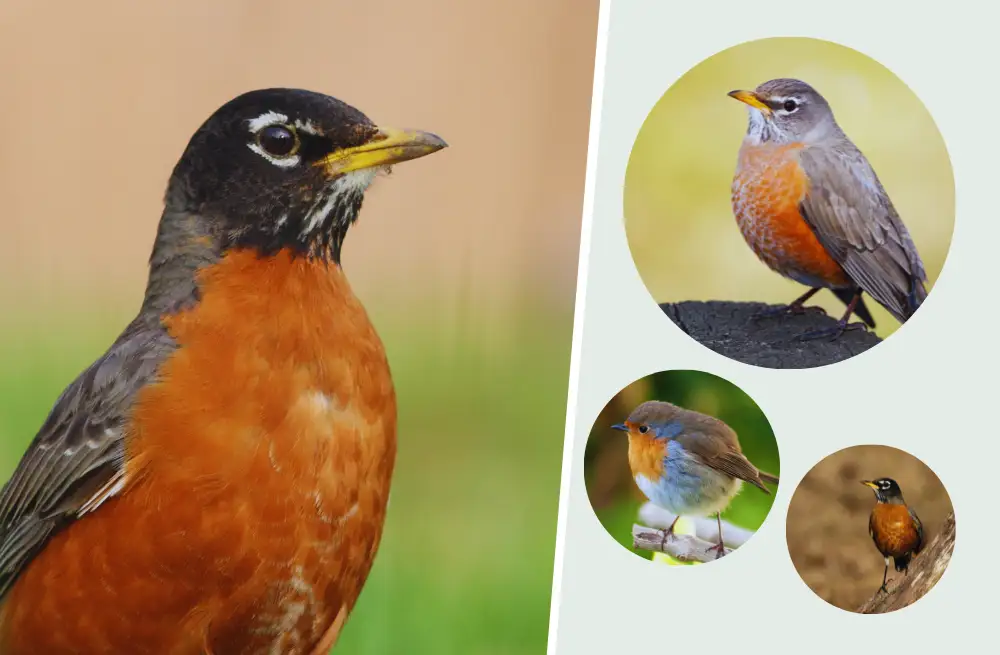
Many people think robins fly far south the moment the weather gets cold.
In reality, many robins stay in the same area all winter long. The reason we stop seeing them is that they change their habits. When the ground freezes and they can no longer dig for worms, they move from the lawns up into the trees. They gather in large groups to look for wild berries and fruit.
Backyard Tip: Robins do not eat seeds, so they will ignore standard bird feeders. If you want to invite them to your yard, you can put out a flat tray with mealworms, chopped apples, or raisins.
Population
The American robin is one of the most successful and widespread birds in North America. Scientists estimate that there are around 370 million American robins, making it one of the continent's most abundant land birds.
Its population stretches across most of the United States, Canada, and parts of Mexico. Robins are highly adaptable and can thrive in forests, parks, suburbs, farms, and city neighborhoods. Their ability to live close to people has helped them remain common even as many other bird species have declined.
The species is currently considered a bird of low conservation concern, and its overall population has remained large and stable for many years. Although some local populations have experienced declines, the American robin continues to be a familiar sight in backyards and gardens throughout North America.
Today, the American robin remains one of the birds people are most likely to see and hear, especially during spring when its cheerful song and bright orange breast make it easy to recognize.
How to Identify an American Robin
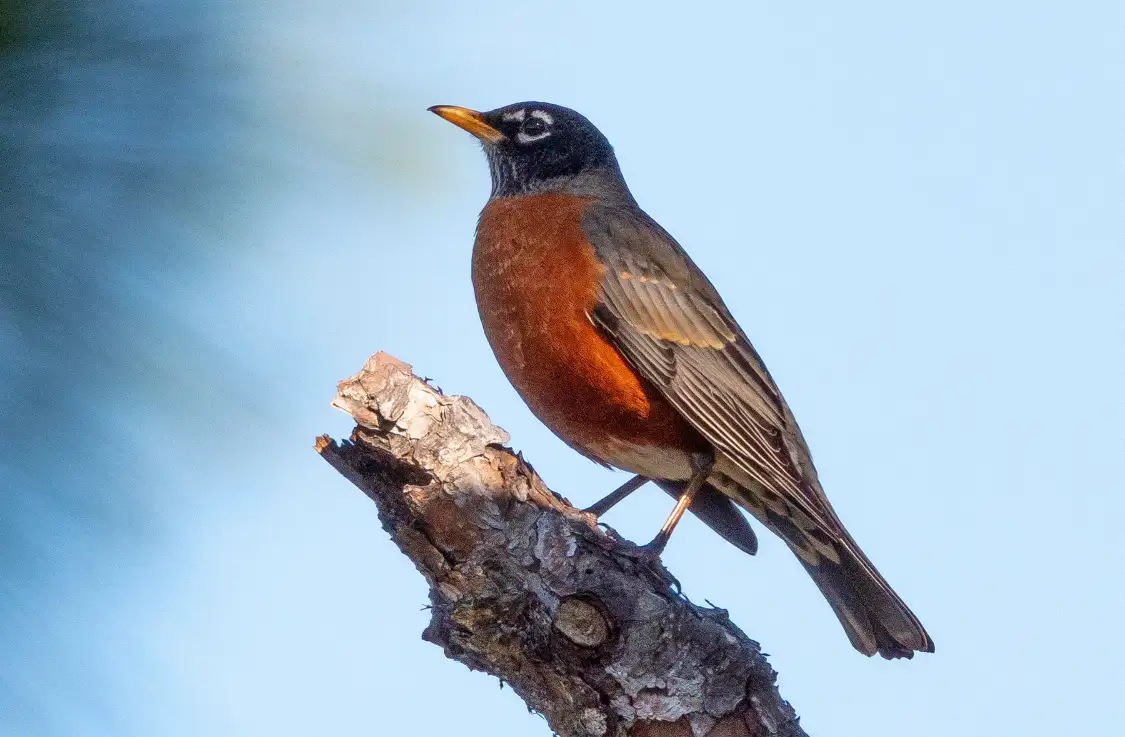
The American robin is one of the easiest birds to recognize in North America. Here are the key features to look for:
Orange-Red Breast
The most noticeable feature is its bright orange-red breast. This colorful chest stands out against the bird's darker back and is often the first thing people notice.
Dark Gray or Brown Back
American robins have a dark gray to brown back and wings. Their head is usually darker than the rest of the body, especially in males.
Yellow Bill
Look for a yellow bill with a slightly curved shape. It is easy to spot when the bird is perched or searching for food on the ground.
Long Legs and Upright Posture
Robins are larger than many backyard birds. They have long legs, a round body, and often stand in an upright position while scanning the ground.
Hopping Across Lawns
One of their most recognizable behaviors is hopping across the grass, stopping suddenly, and then tilting their head to look for worms and insects.
Cheerful Song
Their song is a series of clear, whistling notes that many people associate with spring. They are often among the first birds to sing in the morning.
Male vs. Female
- Males usually have a brighter orange breast and a darker head.
- Females look similar but are often slightly paler and less colorful.
Young Robins
Young robins are easy to identify because they have dark spots on their breast, unlike the smooth orange breast of adults.