
Powerful owl (Ninox strenua)
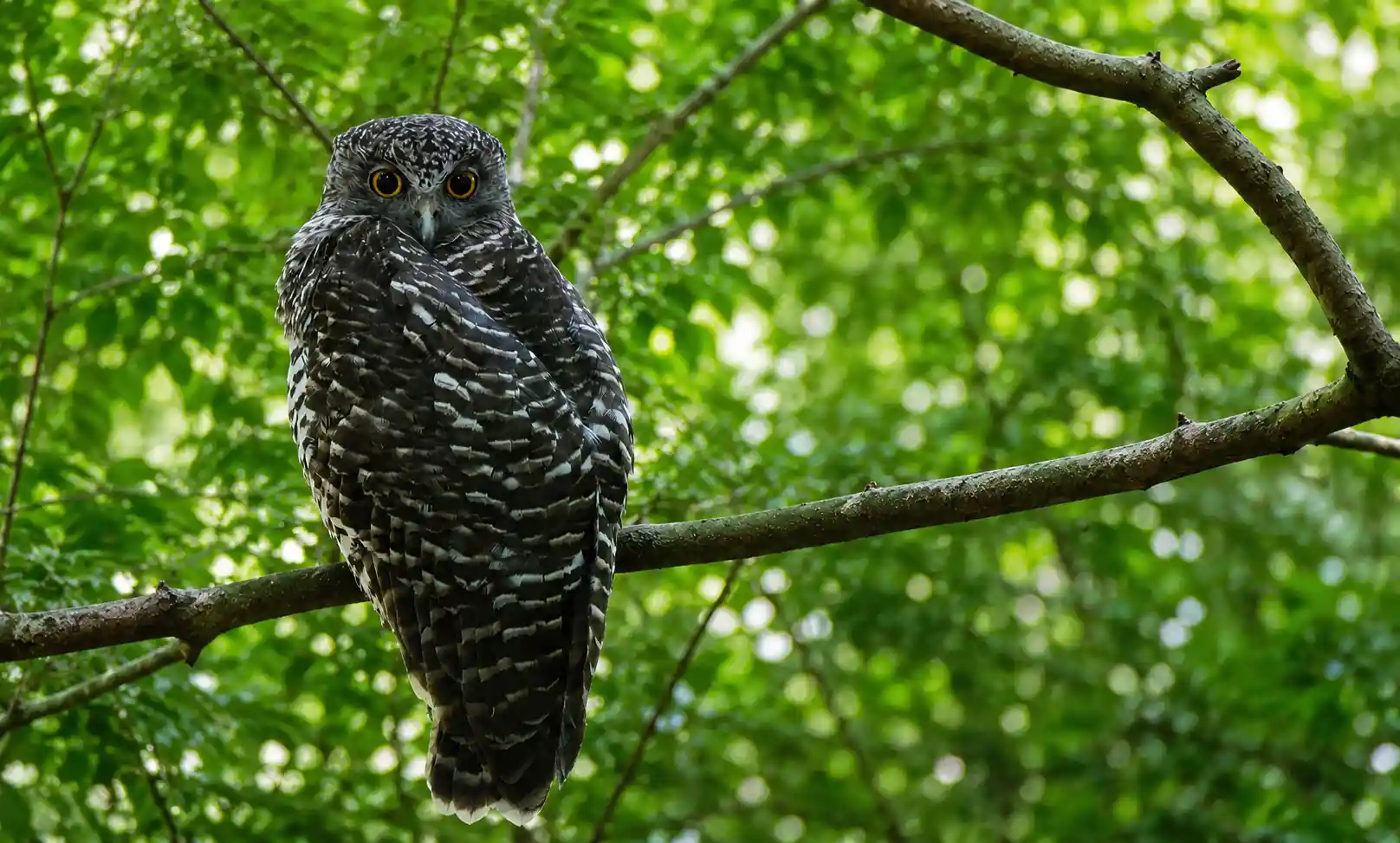
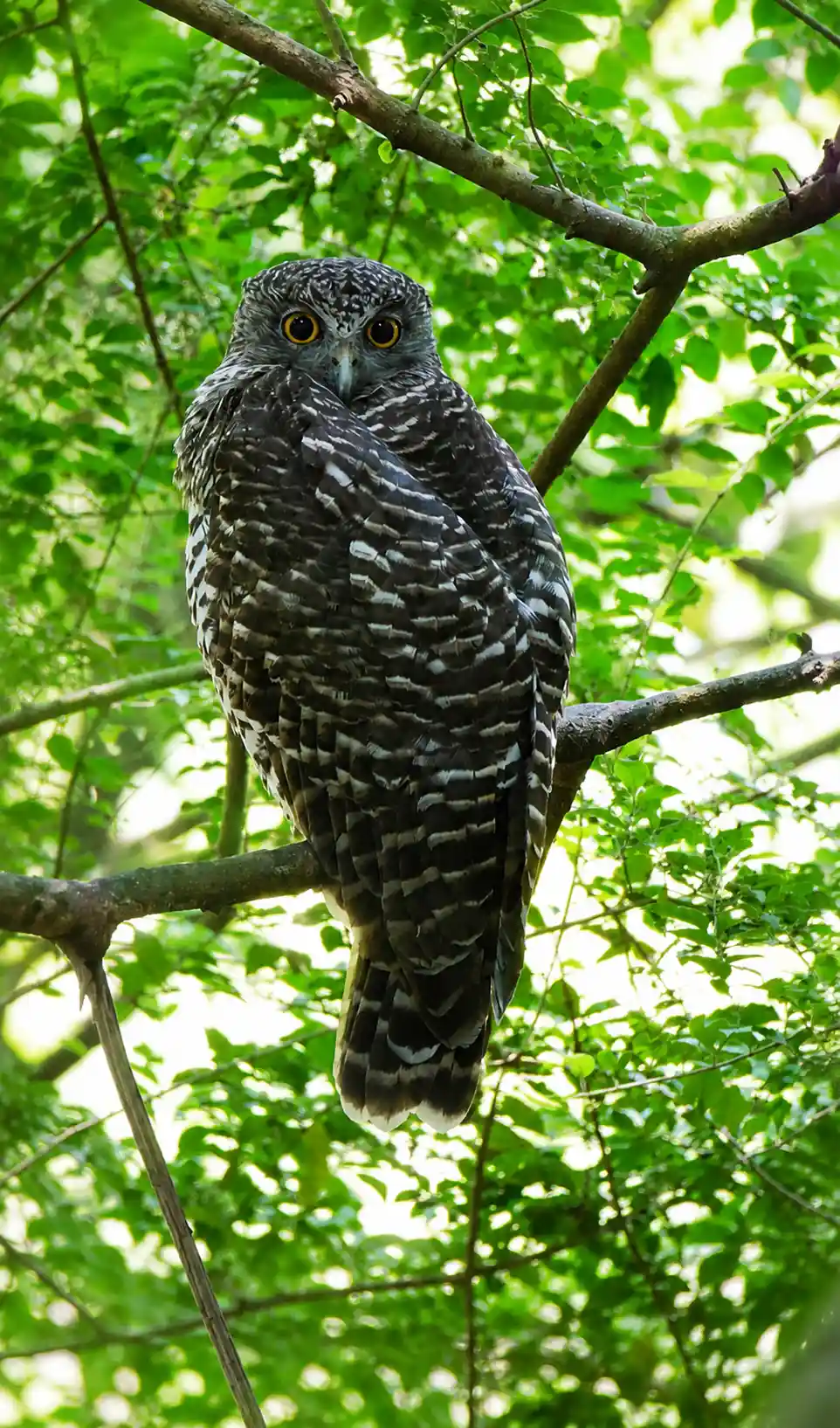
The Powerful Owl (Ninox strenua) is the largest owl species in Australia and one of the country’s most impressive nocturnal predators.
With enormous talons, silent flight, and exceptional hunting skills, this owl sits near the top of the food chain in Australia’s eastern forests.
Despite its intimidating appearance, it is rarely seen because it spends most of its life hidden among tall forest canopies.
Scientific Classification
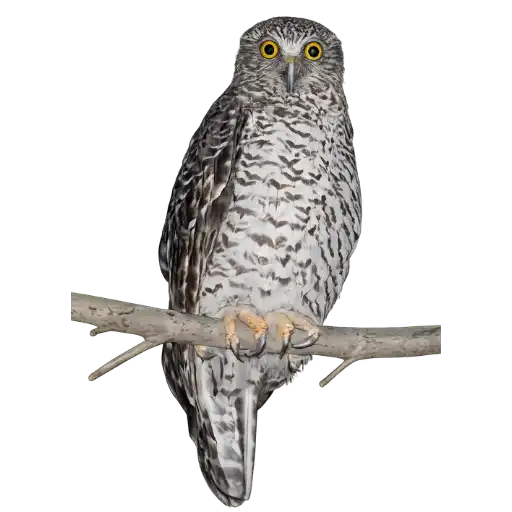
Massive yellow eyes, heavy-set yellow feet with formidable talons, and a distinctive white chest heavily patterned with dark, V-shaped chevron bars.
Where Does the Powerful Owl Live?
The Powerful Owl is found only in eastern Australia, ranging from southeastern Queensland through New South Wales and into Victoria. It is most commonly associated with the forests and woodlands of the Great Dividing Range, but it can also be found in coastal forests, river corridors, and even some large urban bushland areas.
This species prefers mature forests with plenty of large trees, especially those containing natural hollows used for nesting. Because Powerful Owls require extensive hunting territories and suitable nesting sites, they are most often found in areas where old-growth trees and healthy populations of possums and gliders are still present.
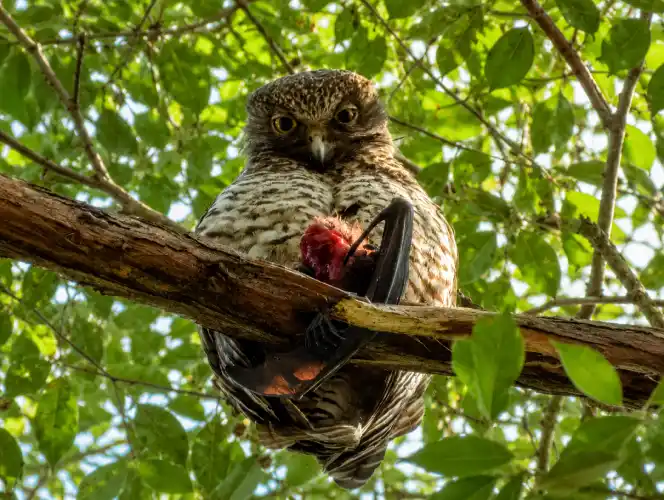
An apex nocturnal hunter optimized for silence, incredible low-light vision, and high-impact physical force required to manage massive canopy-dwelling mammal prey.
Encompasses all feathered, winged, bipedal, endothermic (warm-blooded), egg-laying, vertebrate animals globally.
The taxonomic order dedicated entirely to true owls and barn owls. Characterized by large, forward-facing eyes, a facial disc, hooked beaks, and reversible outer toes.
The true owl family, which represents the vast majority of living owl species. Distinguished easily from barn owls by their round or oval skull profiles instead of heart-shaped facial configurations.
A specialized genus of Australasian and Asian “hawk-owls,” known for lacking clear facial discs and exhibiting prominent hawk-like, staring yellow eyes.
The exact binary scientific naming scheme. The specific identifier “strenua” translates roughly from Latin to imply active, powerful, or formidable qualities.
Exclusively carnivorous. Relies heavily on tree-dwelling mammals like common ringtail possums, sugar gliders, greater gliders, and occasionally roosting flying foxes.
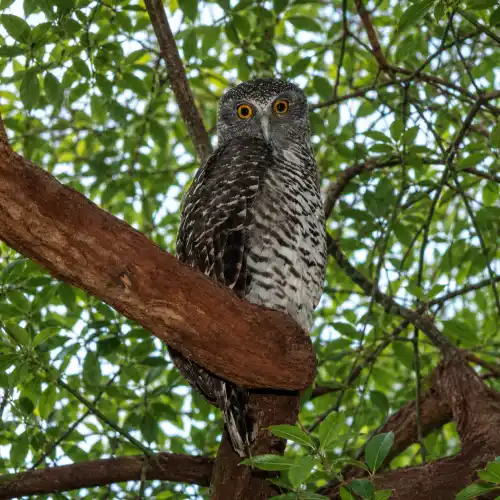
Endemic solely to eastern and southeastern Australia, favoring wet gullies, dense sclerophyll woodlands, coastal ranges, and old-growth eucalyptus pockets.
Classified as Threatened or Vulnerable across multiple state boundaries due to direct deforestation, land conversion, and the ongoing structural loss of nesting tree hollows.

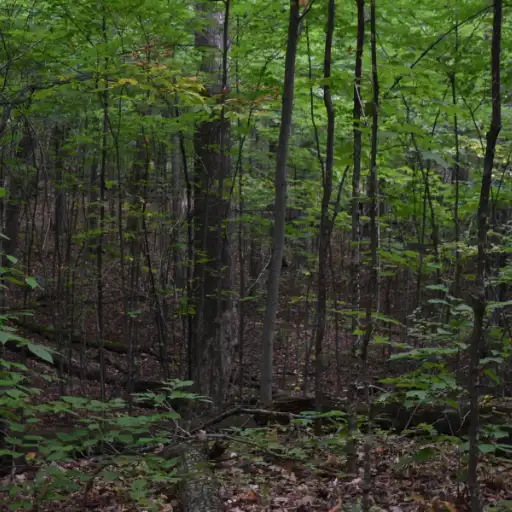
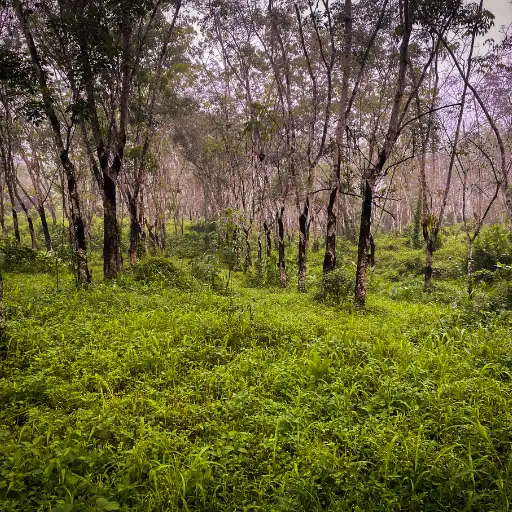
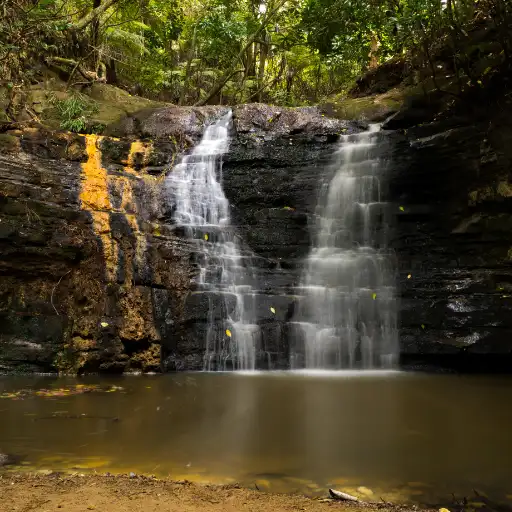
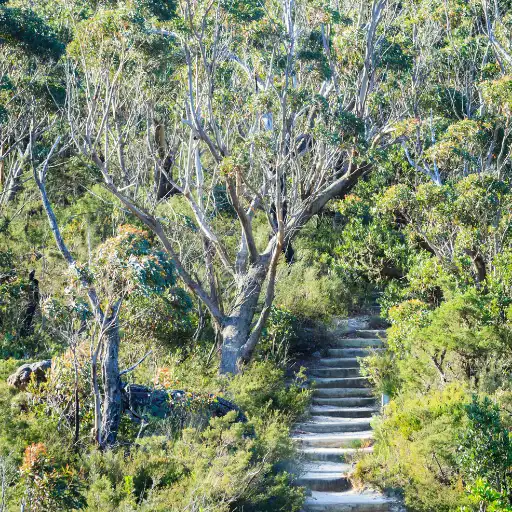
The Old-Growth Dependency: Regardless of the broader landscape type, Powerful Owls rely completely on the presence of historic, mature trees. They require massive, deep hollows (which take anywhere from 150 to over 500 years to naturally erode into eucalyptus trunks) to successfully hatch eggs and safeguard their nesting chicks!
Diet and Hunting Behavior
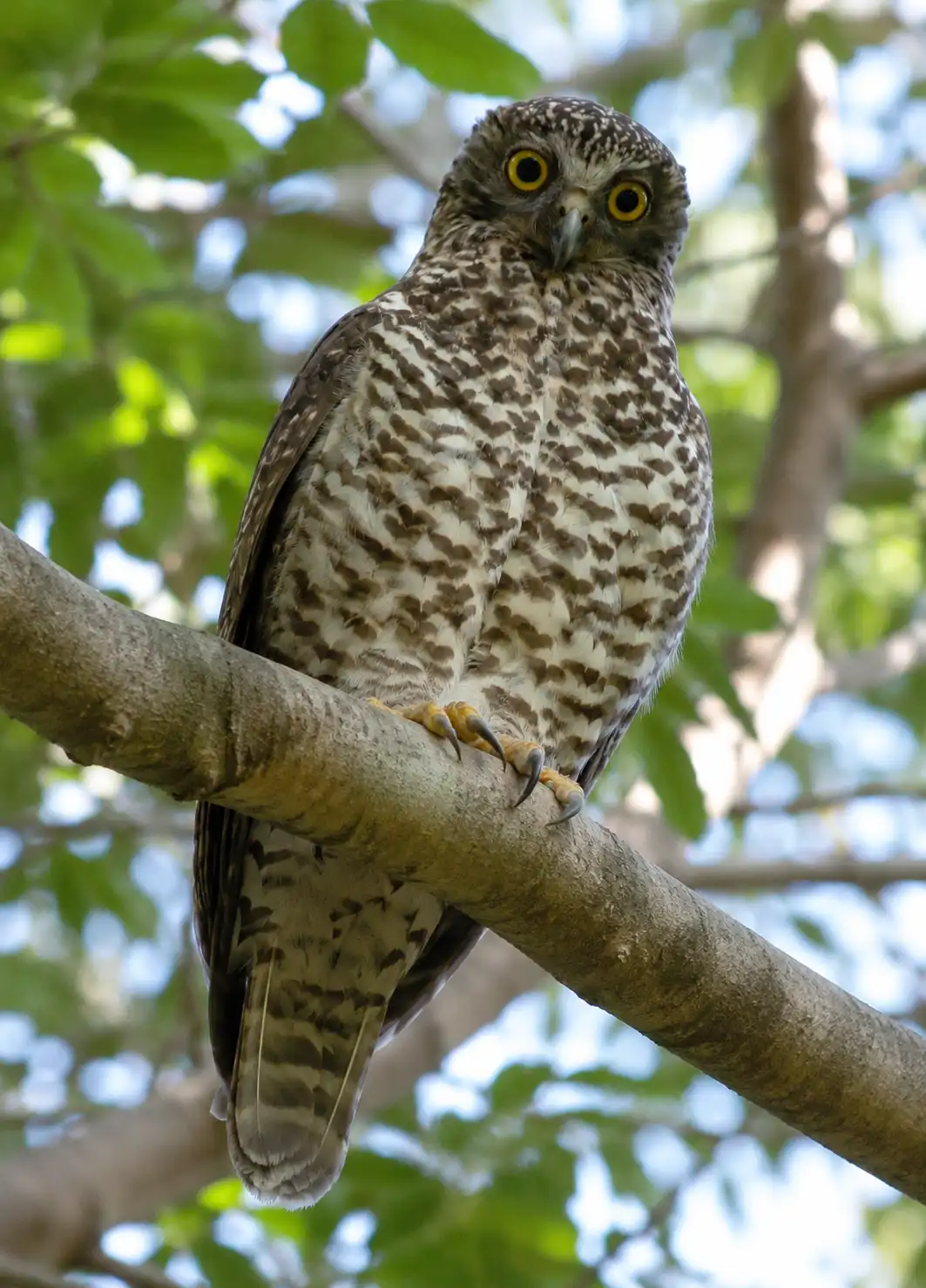
The Powerful Owl is a specialist predator that primarily hunts tree-dwelling mammals.
Common prey includes:
- Ringtail possums
- Brushtail possums
- Greater gliders
- Sugar gliders
- Flying foxes
- Small birds
- Rabbits and other small mammals
Most hunting occurs at night. The owl silently glides between trees, scanning for movement before launching a rapid attack. Its enormous talons can kill prey almost instantly. Studies have found that arboreal mammals make up the vast majority of its diet.
Behavior
The Powerful Owl is a solitary and highly territorial bird that spends most of its life hidden within the forest canopy. Adults typically form long-term breeding pairs and defend large territories year-round, especially in areas with abundant prey and suitable nesting trees.
Like most owls, it is primarily nocturnal, becoming active shortly after sunset. It spends the night hunting through the forest, using its excellent vision and hearing to locate prey. During the day, it usually roosts quietly in dense foliage or among large tree branches, where its gray-brown plumage provides excellent camouflage.
Despite its large size, the Powerful Owl is surprisingly difficult to spot. Many people live near these owls without ever seeing one, often only realizing they are present after hearing their deep, distinctive calls echoing through the forest at night.
Breeding and Reproduction
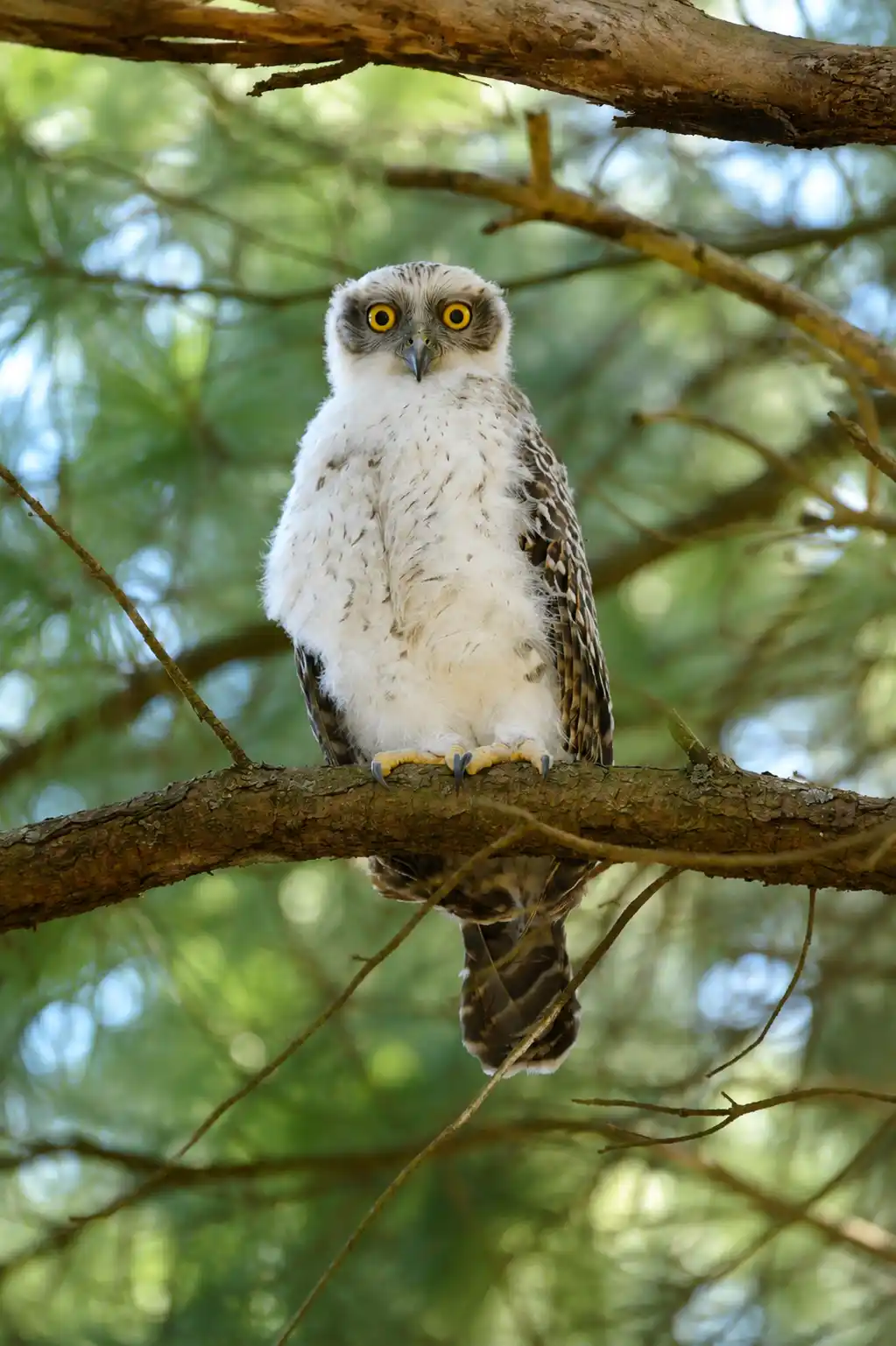
The Powerful Owl has a slow breeding cycle, with most nesting activity occurring between April and September. Pairs are generally monogamous and often remain together for many years, returning to the same nesting area season after season.
Unlike many birds, Powerful Owls depend on large natural tree hollows for nesting. These hollows are typically found in old, mature eucalyptus trees, making the preservation of older forests especially important for the species.
Nesting Facts
- Nest Location: Large tree hollows
- Clutch Size: Usually 2 eggs
- Incubation Period: Around 38 days
- Nestling Period: About 55 days
The female performs most of the incubation while the male is responsible for bringing food to the nest. After hatching, both parents help care for the chicks. Even after leaving the nest, young owls remain dependent on their parents for several months, learning essential hunting and survival skills before becoming fully independent. In some cases, juveniles may stay within their parents’ territory for more than a year.
Population and Conservation
Although the Powerful Owl is currently classified as a species of Least Concern globally, local populations face several threats.
Major threats include:
- Habitat loss from land clearing
- Removal of old nesting trees
- Vehicle collisions
- Predation of young birds by foxes, cats, and dogs
- Fragmentation of forest habitat
Conservation programs across Australia focus on protecting mature forests and preserving nesting sites. The survival of old-growth eucalyptus trees is especially important for the species’ future.
Interesting Facts About the Powerful Owl
It is the largest owl species native to the entire continent of Australia.
A single mated pair may aggressively defend home territories ranging from hundreds to thousands of hectares depending strictly on local food availability.
Their deep, resonant “woo-hoo” territorial call can be clearly heard from surprisingly long distances on calm, still winter nights.
They are formidable apex predators, often hunting and preying on arboreal animals nearly as large as themselves.
Young fledgling birds can remain fully dependent on their parents for over a year after initially leaving the safety of the nesting hollow.
Frequently Asked Questions


