Blue Jay (Cyanocitta cristata): Identification, Habitat, Diet, and Behavior
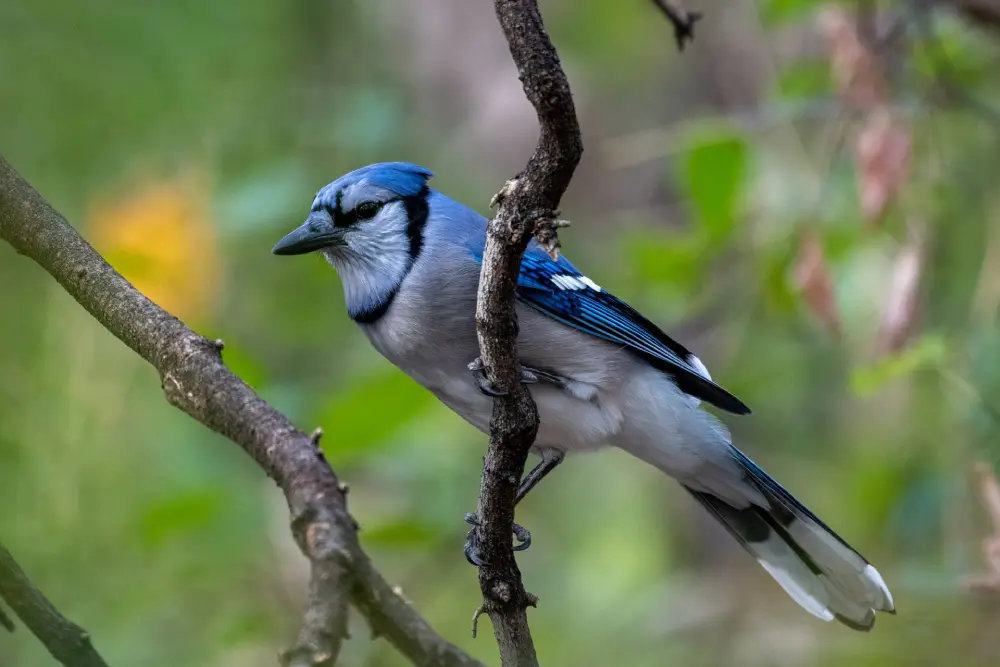
The Blue Jay (Cyanocitta cristata) is a highly intelligent and adaptable songbird native to North America. Known for its bright blue plumage, loud calls, and curious nature, it thrives in forests, suburbs, and urban parks across much of the continent.
Blue Jays are omnivorous, socially complex, and play an important ecological role by dispersing acorns and helping regenerate oak forests.
Their intelligence, resourcefulness, and striking appearance have made them one of the most familiar and fascinating birds in North America.
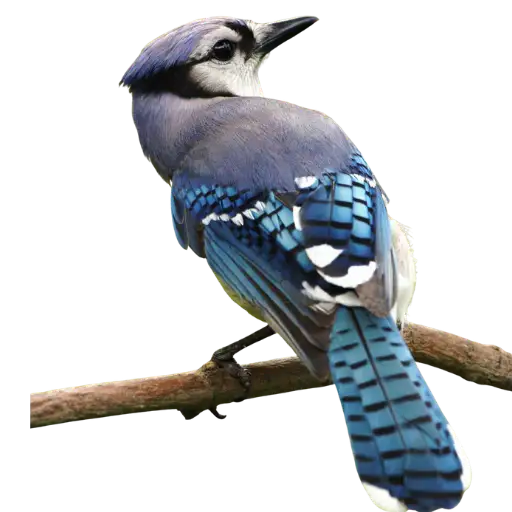
Scientific Classification
View Additional Quick Facts
Blue Jay
Named for its vibrant, lavender-blue plumage and its notoriously loud, chatty behavior. The term “jay” traces back to historical colloquialisms mimicking the bird’s harsh, warning “jaaaay” call, which it uses aggressively to alert forest communities of nearby predators.
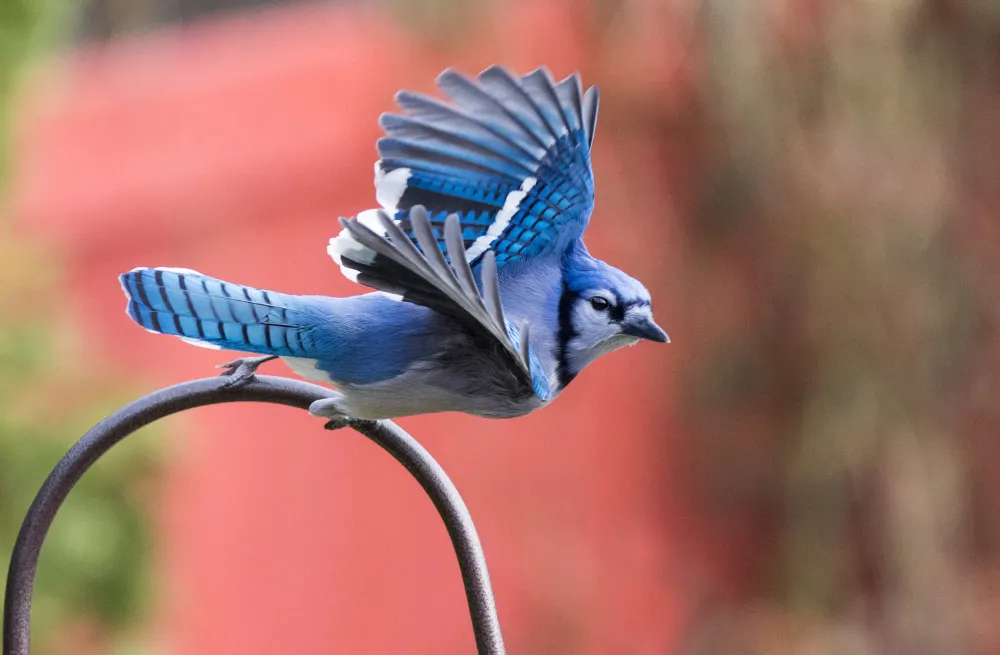
Cyanocitta cristata
Wingspan
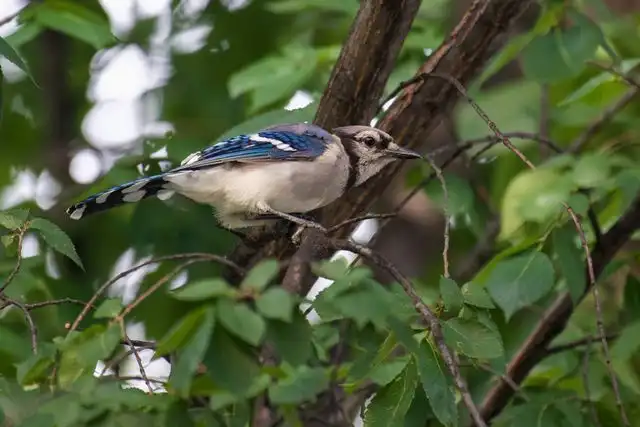
A highly adaptable, intelligent perching bird equipped with specialized vocal muscles, allowing it to produce a massive variety of complex calls and mimicry.
Encompasses all feathered, winged, bipedal, endothermic (warm-blooded), egg-laying, vertebrate animals.
The largest taxonomic order of birds, distinguished by a unique foot structure featuring three forward-facing toes and one backward-facing toe adapted for perching.
The crow and jay family, widely celebrated for commanding some of the highest intelligence levels, problem-solving skills, and complex social networks in the animal kingdom.
A specialized American genus of New World jays characterized by blue plumages, prominent feather crests, and highly vocal communication habits.
The precise species label highlighting its distinct structural blue coloration combined with its defining crested head feathers.
Consumes a diverse menu of acorns, nuts, seeds, and wild fruits, balancing its diet with insects, small invertebrates, and occasional carrion.
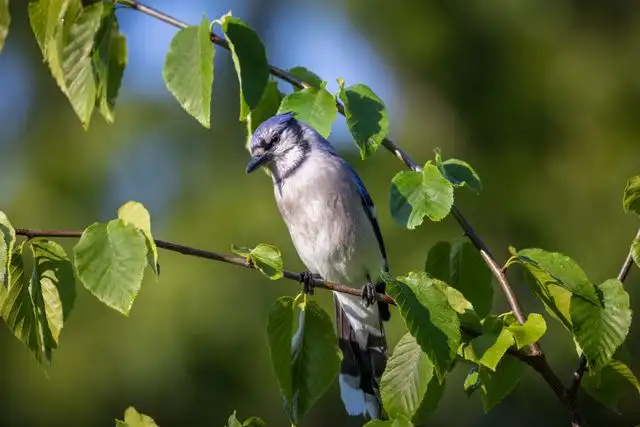
Thrives extensively across eastern and central North America, favoring deciduous woodlands, oak groves, suburban backyards, and city parks.
Maintains large, highly stable populations across its entire native range, displaying excellent ecological resilience alongside human urban expansion.
1. Physical Profile & Vital Stats
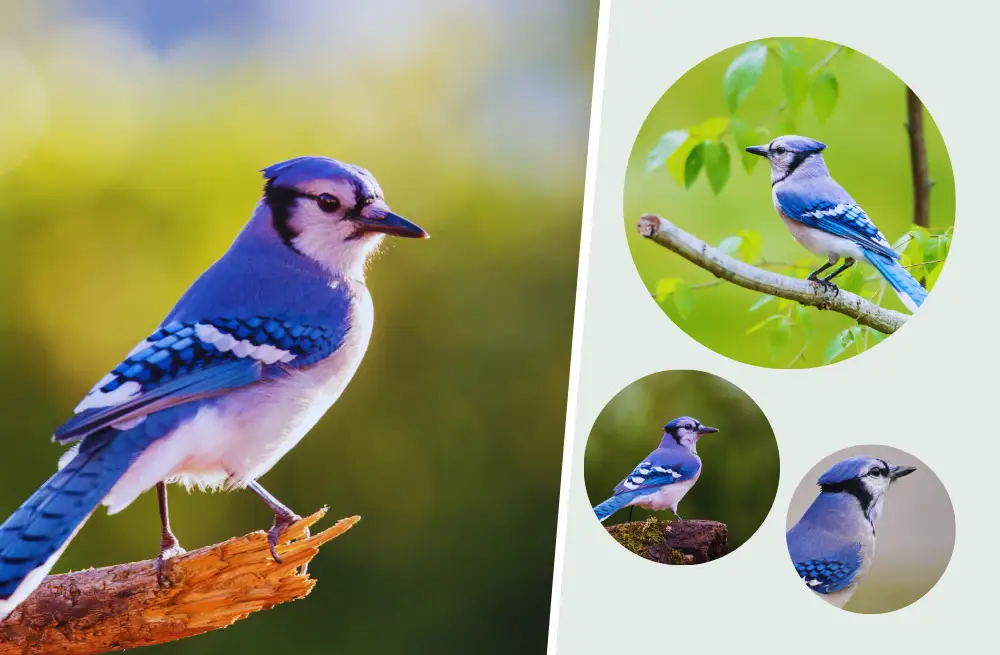
Prominent head crest, white face bordered by a black “necklace,” blue-and-black barred wings and tail.
The Illusion of Blue: Structural Coloration
A mind-blowing fact about Blue Jays is that their feathers aren’t actually blue. If you crush a Blue Jay feather, it turns into a dull brown dust.
The brilliant blue color is a visual trick called structural coloration (specifically, light scattering). The inner structure of the feather contains microscopic air pockets and keratin particles. When light hits the feather, these particles scatter all wavelengths of light except blue, reflecting a vibrant sky-blue color back to our eyes.
2. Habitat, Range, & Migration
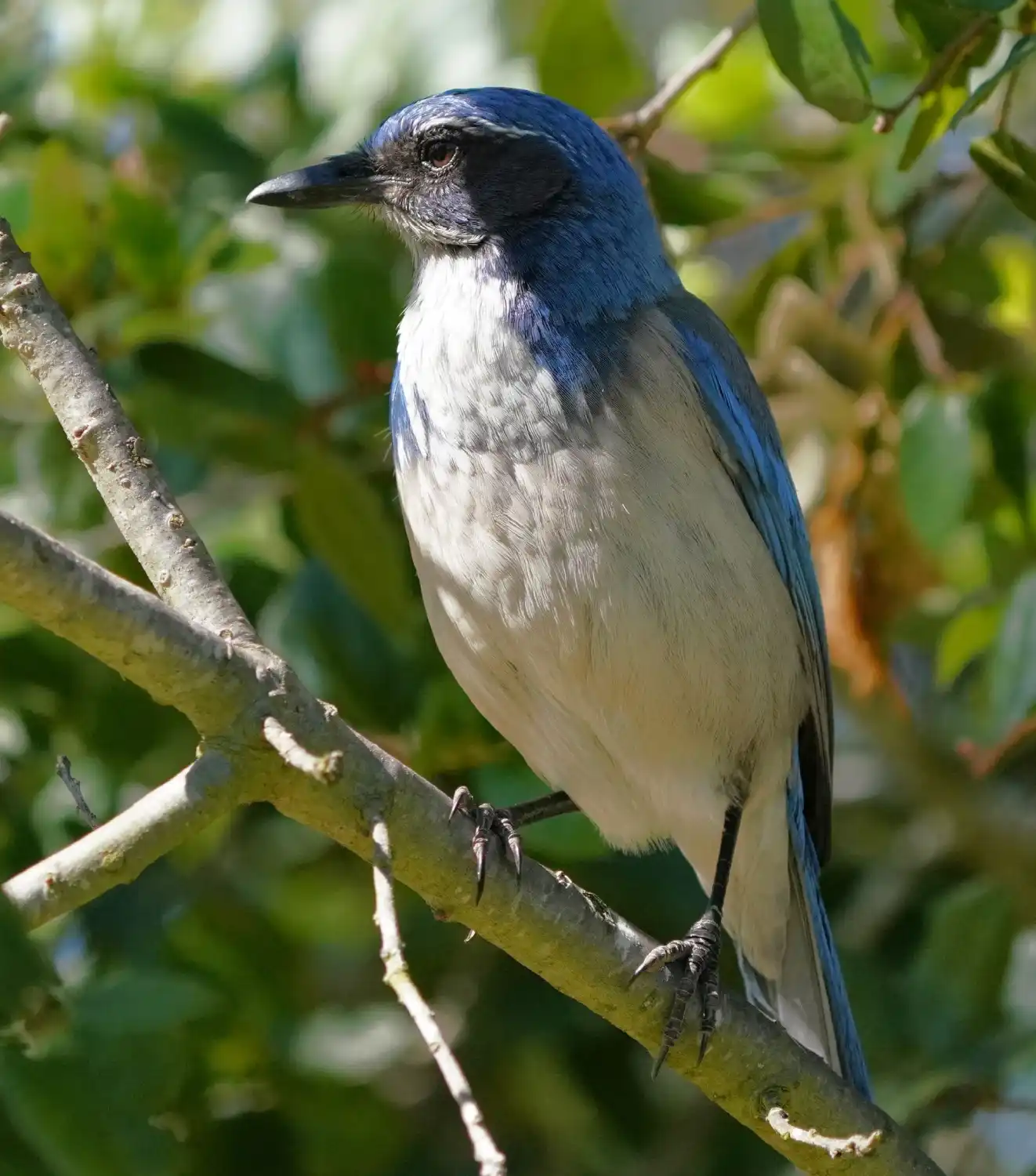
Range and Distribution
Blue Jays are found only in North America. Their range covers much of the eastern and central United States and extends into southern Canada. They are one of the most common and recognizable birds across this region, living in a wide variety of landscapes.
Preferred Habitat
Blue Jays thrive in deciduous, coniferous, and mixed forests. They are especially common in oak and beech woodlands, where they can find plenty of acorns, nuts, and seeds. Forest edges, clearings, and areas with a mix of trees provide ideal conditions for feeding and nesting.
Living Alongside Humans
One reason Blue Jays are so successful is their ability to adapt to human environments. They regularly inhabit suburban neighborhoods, city parks, gardens, and backyards. Bird feeders, mature trees, and reliable food sources make these areas attractive places for Blue Jays to live year-round.
The Mystery of Blue Jay Migration
Blue Jays are considered partially migratory, meaning not all individuals migrate. Some birds travel south during winter, while others remain in the same area throughout the year. Even more surprisingly, a Blue Jay that migrates one winter may stay put the next.
Large flocks are often seen moving along the Atlantic coast and around the Great Lakes during migration seasons. Scientists believe these movements are influenced by food availability, weather conditions, and winter severity.
However, the exact reasons why some Blue Jays migrate while others stay remain unclear, making their migration behavior one of the species’ most fascinating mysteries.
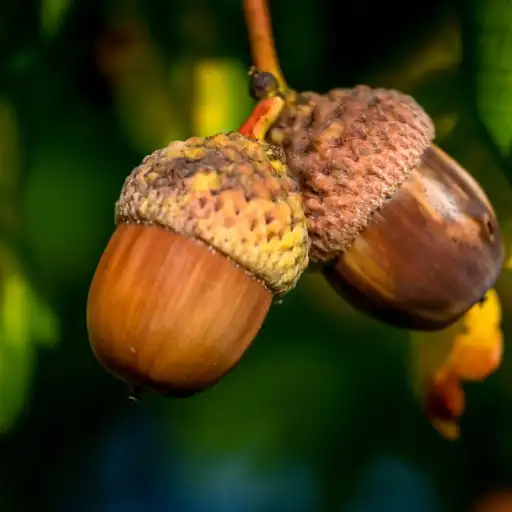
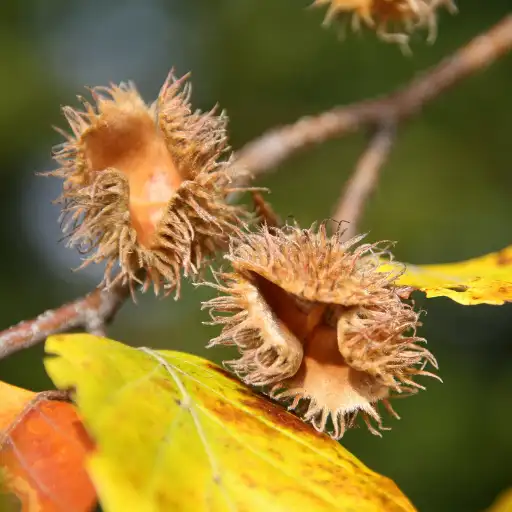


Masters of Storing Food
As autumn arrives, Blue Jays begin preparing for winter by collecting and hiding thousands of acorns. This behavior, known as caching, allows them to build food reserves for the colder months.
They’re surprisingly efficient at it, too. A Blue Jay can carry up to five acorns at once, storing three in a specialized throat pouch called the gular pouch, one in its mouth, and another in the tip of its beak.
4. Complex Behavior & Intelligence
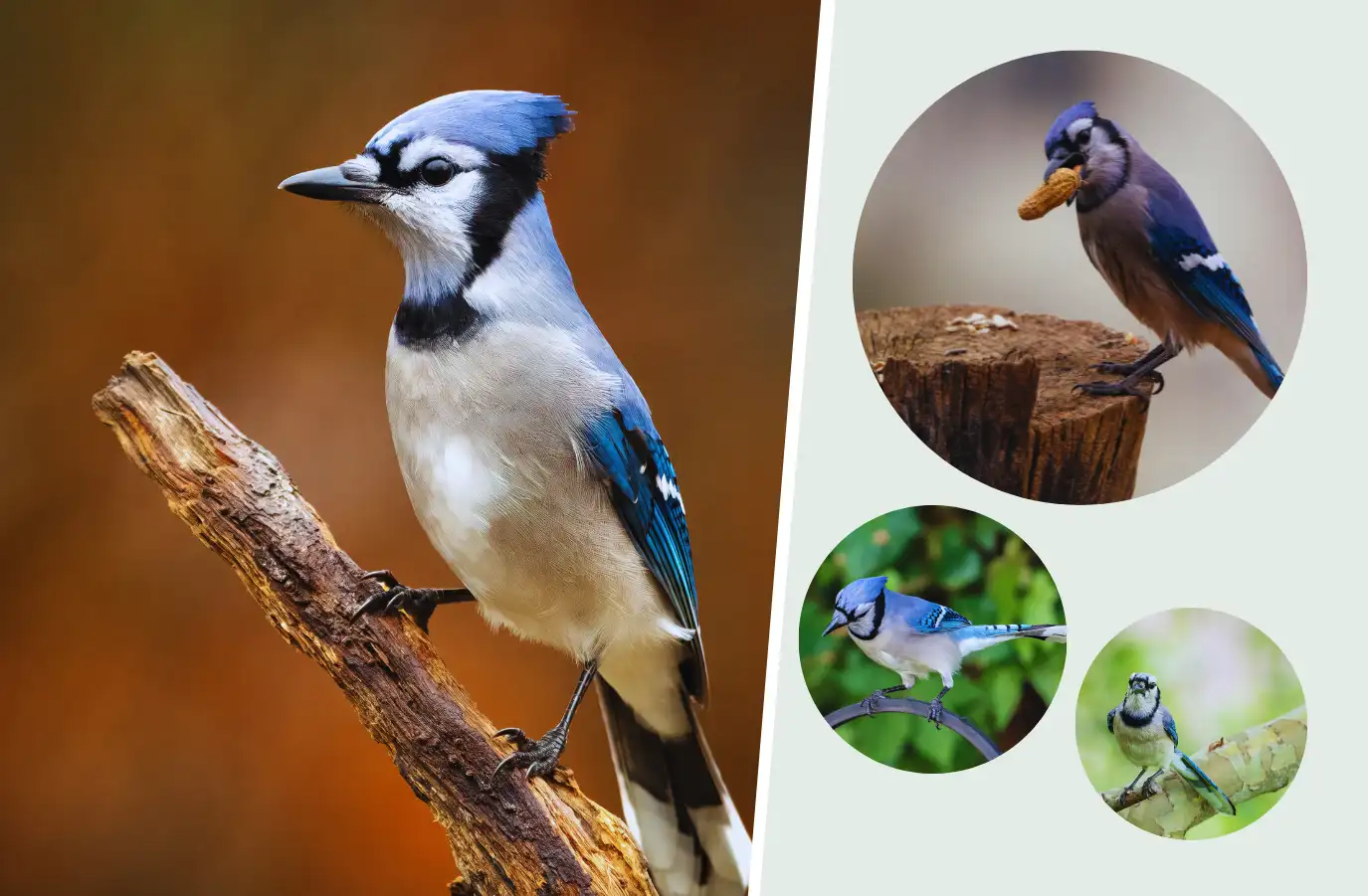
As corvids, Blue Jays possess exceptional cognitive abilities, sophisticated social structures, and vocal adaptability.
The Raptor Mimic
Blue Jays are vocal virtuosos capable of making a massive variety of sounds, from clear, bell-like whistles to their harsh, namesake “jeer-jeer” alarm calls. Most impressively, they are expert mimics of hawks—specifically Red-shouldered Hawks.
They use this mimicry for two distinct strategies:
- The Distraction: To scare other birds away from a bird feeder so the jay can eat alone.
- The Alarm: To signal to other neighborhood birds that a real predator is nearby.
Social Hierarchy & Aggression
They are highly territorial and fiercely protective of their nests. If a crow, hawk, or owl ventures too close, Blue Jays will “mob” the predator—band together in loud, aggressive groups to harass the intruder until it leaves. At backyard bird feeders, their assertive personality means they easily dominate smaller birds.
5. Mating & Reproduction
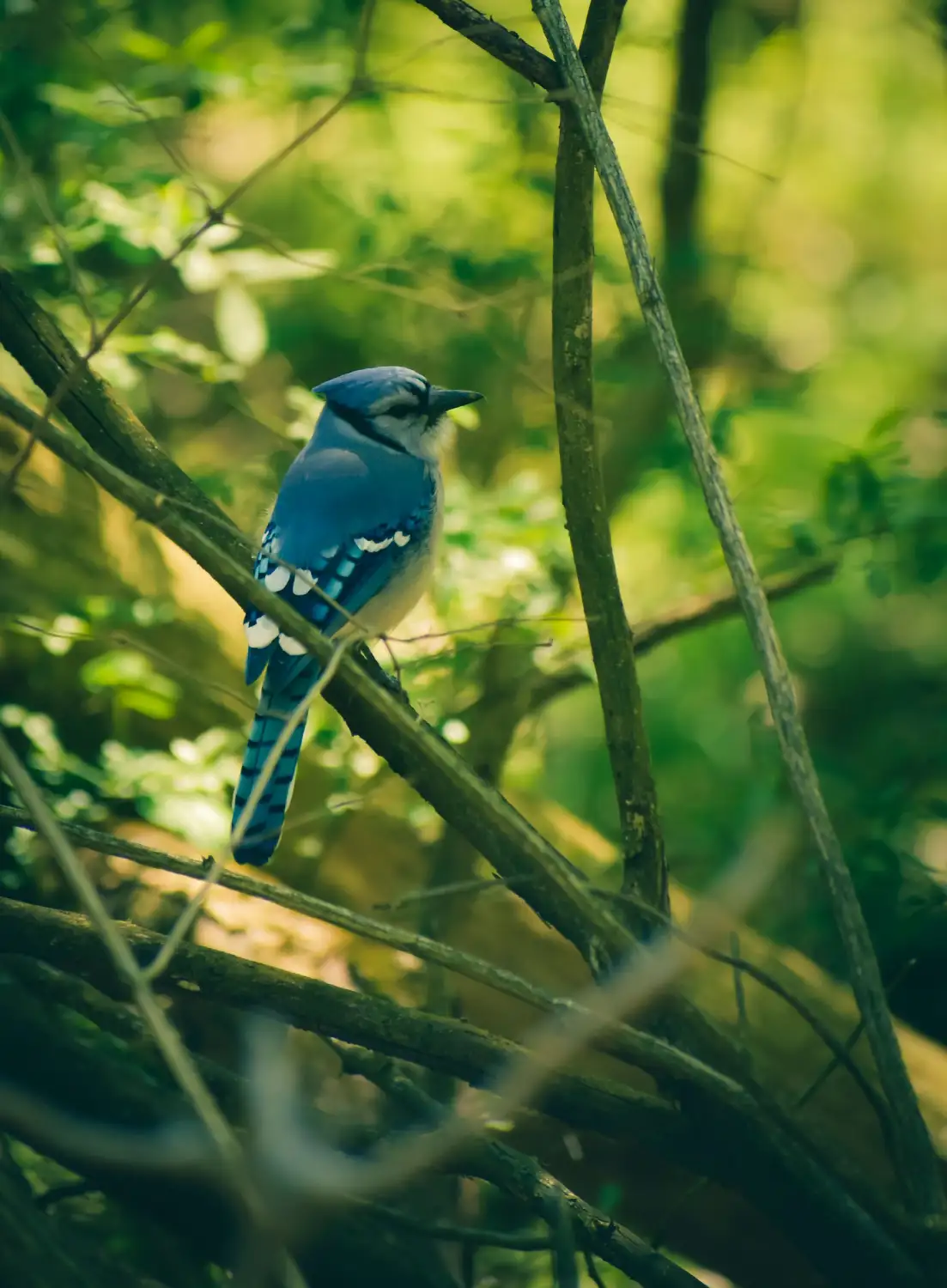
Blue Jays form monogamous, lifelong pairs. Their breeding season typically spans from mid-March through July.
- Nest Construction: Both the male and female work together to build a bulky, cup-shaped nest out of twigs, roots, bark strips, and moss. They often incorporate human trash like string, paper, or cloth.
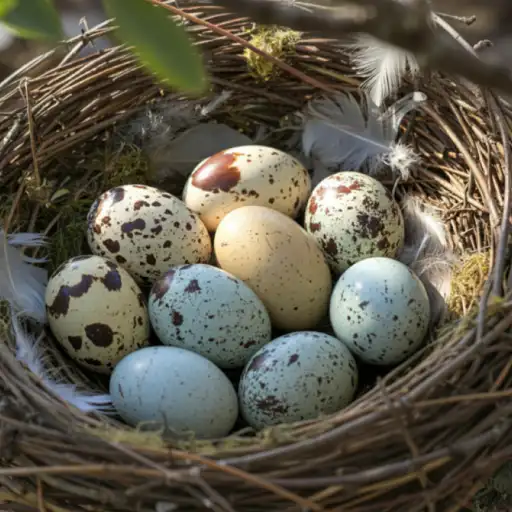
- Clutch Size: The female lays 3 to 7 eggs, which are bluish or light green with brown spots.
- Parental Duties: Incubation lasts about 17 to 18 days, during which the male entirely feeds the female while she sits on the nest. After hatching, both parents actively hunt to feed the nestlings, who fledge (leave the nest) roughly 17 to 21 days later.
Conservation Status
The Blue Jay is listed as Least Concern by the IUCN. They have a massive, stable population estimated at around 2.5 million breeding individuals, making them a secure and thriving fixture of North American wildlife.
Frequently Asked Questions

Light-mantled Albatross